How to Use a Credit Card Responsibly: Keep Utilization Low

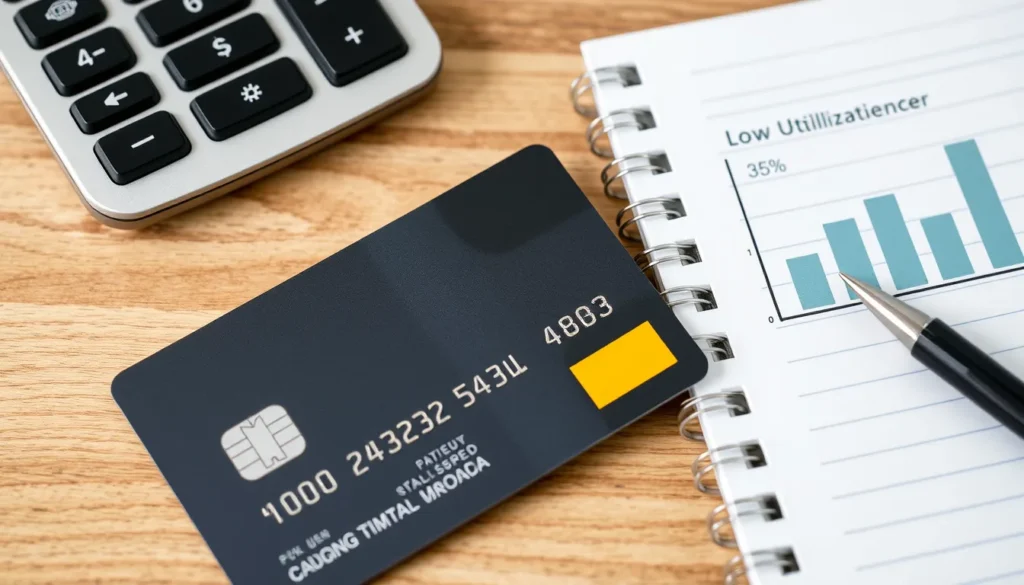
If you’ve just received your first credit card or you’ve struggled to keep balances under control, this guide is for you. It breaks down the essential habits you need to develop so you can enjoy the benefits of a credit card without the stress of unexpected bills.
By following the concise, numbered actions you’ll learn how to keep your utilization low, protect your credit limit, and make the most of the grace period. You’ll also see the common mistakes that trip up many users and how to sidestep them, giving you confidence to manage your statement balance and avoid unnecessary fees.
Select the Right Card and Understand Its Terms
Before you can apply any habit, you need a card that fits your financial style. Start by listing the three most important features for you—low interest, rewarding perks, or minimal fees—and then compare each candidate side‑by‑side.
- Interest rate (APR): A lower APR protects your credit limit when you carry a balance beyond the grace period.
- Annual and hidden fees: Look for annual fees, foreign‑transaction charges, and balance‑transfer costs that could erode the value of rewards.
- Rewards structure: Choose cash back, points, or travel miles that align with your typical spending categories.
- Grace period: Verify how many days you have after the statement closing date to pay the full statement balance without interest.
Next, download the cardholder agreement and skim it for the billing‑cycle length, the date the statement closes, and when the minimum payment is due. Mark these dates on a calendar; they are the anchors for your payment system and the key to keeping your utilization ratio below 30 %.
Common mistake: signing up for a card because of an introductory offer without checking the ongoing APR or fee schedule. That can lead to surprise interest charges once the promo ends, turning a low‑utilization strategy into a costly cycle.
By choosing a card whose terms match your goals, you lay the groundwork for the next steps in How to Use a Credit Card Responsibly.
Set Up an Automatic or Calendar‑Based Payment System
Once you have chosen the right card, the next crucial habit in How to Use a Credit Card Responsibly is locking in a reliable payment routine. A consistent schedule ensures the statement balance is cleared each month, letting you enjoy the full grace period and avoid any interest.
- Pick a payment day. Choose a date a few days after your statement closes and set a recurring reminder in your calendar or enable the bank’s “pay on due date” feature.
- Enable autopay for the full statement balance. Select the option that automatically transfers at least the total amount due, not just the minimum payment. This guarantees the balance is paid before interest accrues.
- Verify the transaction. After each autopay run, log in to confirm the amount matches the posted statement balance. Adjust if you made additional purchases after the statement closed.
- Keep a buffer in your checking account. Ensure you have enough funds to cover the autopay amount; a shortfall can trigger fees and damage your credit profile.
Common mistake: Setting autopay to the minimum payment. That habit lets interest pile up, erodes the benefit of the grace period, and can quickly inflate the utilization ratio. By automating the full balance payment, you stay on track, keep utilization low, and protect your credit score.
Track Purchases and Keep Utilization Below 30%
After setting up full‑balance autopay, the next habit in how to use a credit card responsibly is to watch every charge so the utilization ratio never climbs above 30 % of your credit limit. Keeping the ratio low signals to lenders that you manage credit well, which in turn lifts your credit score.
- Log each purchase as soon as it posts. Use your bank’s mobile app, a spreadsheet, or a budgeting tool to record the amount, merchant, and date. Seeing the total spend in real time prevents surprises when the statement balance arrives.
- Set up real‑time alerts. Enable push notifications for transactions that exceed a chosen dollar amount or for when your running balance hits 25 % of the credit limit. Alerts act as a safety net, giving you a chance to pause or pay down before the ratio spikes.
- Make mid‑cycle payments. If you notice the balance approaching 30 %, transfer funds from your checking account to the credit card before the statement closes. This reduces the reported balance without waiting for the monthly due date and preserves the full benefit of the grace period.
Common mistake: Assuming the statement balance will always be low because you pay the minimum payment each month. Paying only the minimum leaves a large portion of the balance on the next cycle, inflating the utilization ratio and eroding credit health.
Secure the Card and Respond Quickly to Issues
How to Use a Credit Card Responsibly means treating the card like a key: protect the PIN, watch the account, and act the instant something looks wrong.
Keep your PIN secret. Choose a six‑digit number that isn’t a birthdate or easy sequence, memorize it, and never write it on the card or in a wallet. When entering the PIN, cover the keypad with your hand to block shoulder‑surfing. If you suspect the PIN has been compromised, contact the issuer and request a new one before the next purchase.
Monitor the online account daily. Log in at least once every 24 hours, or enable push notifications for any transaction that exceeds a set amount. Review the statement balance and compare each charge to your receipts; unfamiliar activity can be flagged within the grace period before interest accrues, protecting both your credit limit and your credit score.
Report lost or stolen cards immediately. Use the issuer’s mobile app to freeze the card, then call the 24‑hour hotline to request a replacement. Prompt reporting stops unauthorized use, keeping the utilization ratio stable and preventing potential damage to your credit history.
By following these quick safeguards, you minimize the chance of fraud, preserve the full benefit of the grace period, and maintain a clean credit record—key outcomes for anyone learning How to Use a Credit Card Responsibly.
Review Statements Monthly and Adjust Habits as Needed
Each month, a quick review of your statement turns routine spending into a credit‑building habit. By matching the statement balance against your own expense log, you catch mistakes before they affect your credit limit or utilization ratio, and you keep the grace period working for you.
- Reconcile the statement balance with your personal records. Seeing everything line up confirms that you’re paying only what you actually spent, which preserves the full benefit of the grace period.
- Flag any unfamiliar or duplicate charges. Prompt disputes prevent unauthorized amounts from inflating your balance and skewing the utilization ratio.
- Verify that the reported credit limit matches your contract. An unexpected change can alter your utilization ratio and affect your score, so catching it early lets you address the issuer.
- Make at least the minimum payment before the due date. This avoids late‑fee penalties and ensures the account stays in good standing, reinforcing responsible credit habits.
- Adjust next month’s budget based on the review. If you consistently hit a high utilization ratio, lower discretionary spend; if you have excess capacity, consider allocating the surplus toward a larger payment to accelerate debt reduction.
Common mistakes to avoid:
- Waiting until the last minute to glance at the statement, which reduces the chance to catch errors.
- Assuming the posted balance is correct without verification, risking unnoticed fees or fraud.
- Ignoring small discrepancies that could signal billing errors or a shift in the credit limit.
By repeating this monthly cycle, you create a feedback loop that continuously improves your credit management and demonstrates how to Use a Credit Card Responsibly.
