Ways to Establish Business Credit as a Startup: Practical Steps

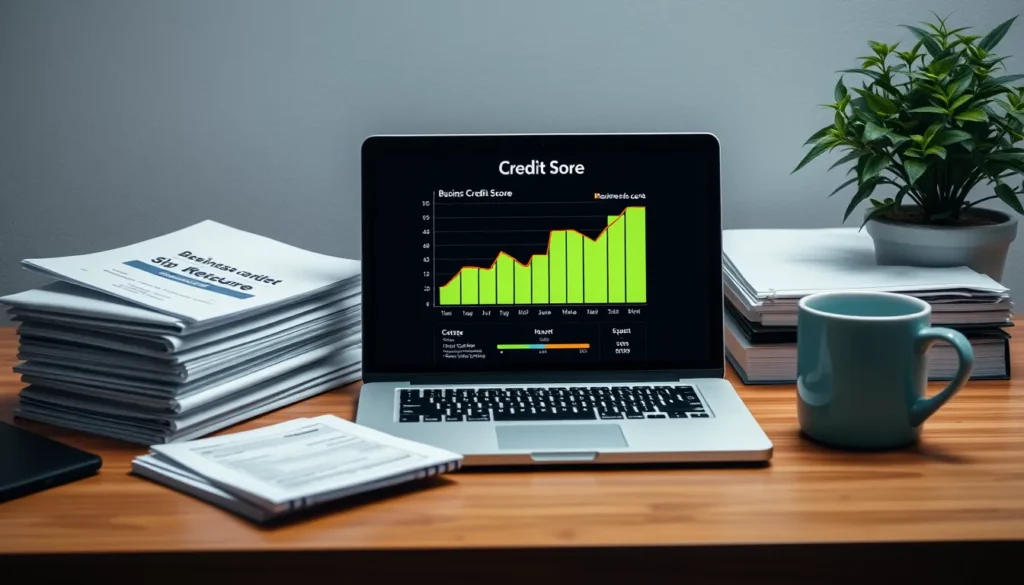
This guide is for startup founders who need a practical, step‑by‑step roadmap to build a solid business credit profile without waiting years. You’ll learn the exact actions that create a DUNS number, secure trade credit, and open a business credit card, each delivering a measurable boost to your credit standing.
Follow the instructions to see immediate results—such as a verified EIN, a listed profile on the major business credit bureaus, and lower credit utilization—while sidestepping the common mistakes that can derail the process. These are the most effective ways to establish business credit as a startup.
Set Up a Credit‑Ready Business Entity
To start the most effective ways to establish business credit as a startup, you need a foundation that signals credibility to lenders and the business credit bureaus. Follow these actions:
- Select a credit‑ready legal structure. An LLC or corporation separates liability and creates a distinct legal entity, which is essential for a clean business credit profile.
- Register your business name. File the name with your state and, if possible, secure a matching domain. Consistency across filings helps Dun & Bradstreet, Experian Business, and Equifax Business link your activity.
- Obtain an Employer Identification Number (EIN). Apply online through the IRS; the EIN replaces your Social Security number on credit applications and eliminates the need for a personal guarantee on many accounts.
- Open a dedicated business bank account. Use the legal name and EIN. All revenue and expenses must flow through this account to establish clear financial separation.
- Separate personal and business finances. Never co‑mix funds, and avoid using personal credit cards for business purchases. This discipline protects your credit utilization ratio and prevents personal activity from contaminating your business credit file.
Completing these steps gives you a verifiable entity that can be listed with the major business credit bureaus and positions you to request trade credit and a DUNS number without delay.
Register with the Major Business Credit Bureaus
Getting your business listed with the three major credit bureaus is a core component of the Ways to Establish Business Credit as a Startup. Once your entity is credit‑ready, you can lock in the official records that lenders and suppliers rely on.
- Apply for a DUNS number. Visit the Dun & Bradstreet website, submit your legal business name, address, and EIN. Result: Your business receives a unique DUNS identifier, which is the first line of a formal business credit profile.
- Create an Experian Business profile. Register on Experian’s business portal, enter the same company details used for the DUNS application, and link your EIN. Result: Experian begins tracking payment history and public records under your business name.
- Set up an Equifax Business profile. Follow Equifax’s onboarding steps, confirm ownership information, and provide a corporate phone number. Result: Equifax adds your firm to its credit monitoring network.
Verify all information is accurate. Log into each bureau’s dashboard and double‑check address, phone, and ownership fields. Result: Consistent data prevents mismatches that could stall credit file creation.
Common mistake: Entering a personal address or an outdated phone number. Inaccurate details create duplicate entries, forcing you to spend time correcting records and delaying credit building.
Establish Trade Credit with Suppliers
One of the fastest Ways to Establish Business Credit as a Startup is to secure trade credit that feeds directly into your business credit profile. Begin with vendors who offer net‑30 or net‑60 terms and actively report to the major business credit bureaus.
- Identify reporting vendors. Search for suppliers that state they “report payment activity to Dun & Bradstreet, Experian Business, and Equifax Business.”
Result: Each on‑time payment becomes a data point that builds your payment history. - Open a net‑30 or net‑60 account. Apply using your Employer Identification Number (EIN) and DUNS number; avoid using a personal guarantee if possible.
Result: You receive goods or services now and have 30–60 days to pay, aligning with cash flow. - Negotiate terms that match cash flow. Ask the vendor to set the payment deadline at the end of your billing cycle or after you receive client revenue.
Result: You reduce the risk of late payments that could hurt credit utilization. - Confirm payment reporting. After each invoice is paid, request a confirmation that the vendor has submitted the payment to the business credit bureaus.
Result: Your business credit score begins to rise as positive activity accumulates.
Common mistake: Selecting a supplier that offers credit but does not report to any bureau. Without reported activity, the trade credit never contributes to your business credit profile, leaving you no credit improvement despite timely payments.
Obtain a Business Credit Card or Secured Card
One of the fastest ways to establish business credit as a startup is to add a business credit card (or secured card) to your financial toolkit. The card becomes a reporting source for the business credit bureaus, so every responsible use pushes your Business credit profile higher.
- Choose a card with minimal personal guarantee. Look for issuers that accept only your EIN and DUNS number, or that require a low‑risk personal guarantee. Result: Your personal credit stays mostly separate, and the card can report directly to Dun & Bradstreet, Experian Business, and Equifax Business.
- Charge routine, low‑value expenses. Use the card for office supplies, internet service, or travel that you would pay anyway. Result: Consistent transaction history that the bureaus can track.
- Pay the balance in full each month. Avoid interest and keep Credit utilization low (ideally under 30%). Result: A clean payment record and a low utilization ratio signal creditworthiness, prompting the issuer to raise your credit limit.
- Monitor limit increases. As the Business credit score improves, the issuer may automatically boost your limit or offer a higher‑limit card. Result: Higher limits further reduce utilization, creating a positive feedback loop.
Common mistake: Treating the card like a personal revolving debt—carrying balances, missing payments, or maxing out the limit. Those actions raise your Credit utilization and can trigger a personal guarantee call, damaging both your business and personal credit.
Monitor and Strengthen Your Business Credit Score
To keep the momentum you’ve built, treat your business credit profile like a living scorecard. Regular monitoring lets you spot gaps before they become setbacks.
- Pull a fresh report from each business credit bureau every 30‑45 days. Seeing the latest data from Dun & Bradstreet, Experian Business, and Equifax Business shows whether new accounts are being reported correctly. Result: You know the exact standing of each score.
- Dispute any inaccuracies within 15 days of discovery. Use the bureau’s online portal to submit documentation that proves the error. Result: Corrections raise your score and prevent false negatives.
- Maintain credit utilization under 30 % on every revolving account. If a card has a $10,000 limit, keep the balance at $3,000 or less. Result: Low utilization signals responsible borrowing and improves your business credit profile.
- Set up automatic reminders or payments to guarantee on‑time performance. Late payments are the fastest way to erode a hard‑won score. Result: Consistent on‑time history builds trust with lenders.
Common mistake: Ignoring the “pay‑as‑you‑go” alerts and letting a small overdue slip. Even a single late mark can offset months of good behavior across all bureaus.
Common Mistakes That Can Stall Credit Building
Another frequent error is using the same bank account or credit card for personal and business purchases. When personal spending mixes with the business credit profile, lenders see a blurred risk picture and may deny credit or assign a lower limit. Keep a dedicated business checking account and a separate business credit card to preserve a clean credit utilization signal.
Founders often open several vendor lines or a secured card and then max them out to “show activity.” Over‑leveraging early credit lines spikes your credit utilization ratio, which immediately drags down the score across Dun & Bradstreet, Experian Business, and Equifax Business. Aim for utilization under 30 % and increase limits only after a solid payment history.
Ignoring the business credit reports is a silent threat. Errors, outdated addresses, or missing EIN updates can prevent credit bureaus from linking new activity to your profile. Schedule a quarterly review, dispute inaccuracies, and confirm that your DUNS number, EIN, and company name match the records.
Finally, failing to notify the bureaus of changes—such as a new address, ownership shift, or additional trade line—leaves your profile stagnant. Submit updates promptly through each bureau’s online portal to ensure every positive transaction strengthens your business credit profile.
